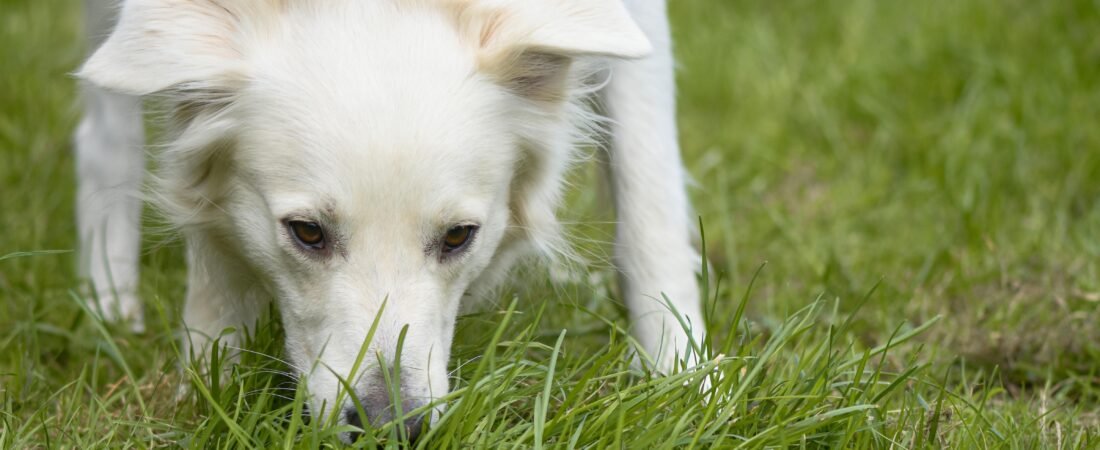
| BLOG OVERVIEW / KEY TAKEAWAYS Key Takeaway 1: Grass eating is extremely common in dogs. A UC Davis study found that 68% of dogs eat plants regularly, and most of them show no signs of illness before or after. Key Takeaway 2: The most likely reasons include instinct, fiber-seeking, boredom, or mild stomach discomfort. In most cases it is completely normal behavior. Key Takeaway 3: Excessive or frantic grass eating, especially paired with vomiting, lethargy, or loss of appetite, is worth a veterinary conversation. |
Introduction: Your Dog Is Not Broken
You let your dog outside and instead of doing their business, they immediately start munching on the lawn like it is a buffet. You panic. You Google. You find a dozen conflicting explanations ranging from “completely normal” to “possible poisoning.”
Here is the truth: grass eating is one of the most common behaviors in dogs worldwide. Research out of the University of California, Davis found that approximately 68% of dogs eat plants, particularly grass, on a regular basis. The vast majority show no signs of illness before or after. For most dogs, this is a normal, harmless behavior.
That said, context matters. There is a difference between a dog who casually nibbles grass during a walk and a dog who frantically gorges themselves and immediately vomits. This guide covers every known reason dogs eat grass, what research actually says about it, and how to know when it is time to call your veterinarian.
Questions? Reach out via our Contact page or learn more about who we are on our About Us page.
The Science Behind Grass Eating in Dogs
For decades, the dominant theory was that dogs eat grass to induce vomiting when they have an upset stomach. That explanation is intuitive but not well-supported by research.
A landmark study by Dr. Benjamin L. Hart and colleagues at UC Davis surveyed over 1,500 dog owners and found that only 8% of dogs showed signs of illness before eating grass, and only 22% vomited afterward. That means the vast majority of grass-eating dogs were perfectly healthy beforehand and did not vomit afterward.
These findings suggest that grass eating is much more likely to be a normal behavioral trait than a sign of sickness. A 2021 follow-up study from NC State confirmed that vomiting with grass ingestion is incidental rather than intentional.
7 Reasons Dogs Eat Grass
1. Instinct From Their Wild Ancestors
Dogs descended from omnivores who consumed entire prey animals, including stomach contents that often contained plant material. Dr. Hart’s research supports what he calls “herbal prophylaxis,” the theory that plant eating is an ancient, inherited behavior that may have helped wild ancestors purge intestinal parasites and maintain digestive health.
In this context, your dog eating grass is simply their DNA expressing itself. It is the same reason they circle before lying down or dig at their bed.
2. Fiber Supplementation
Grass is high in fiber. Dogs, like humans, need fiber for healthy digestion and regular bowel movements. If your dog’s diet is low in fiber, they may instinctively seek it out in the yard. A dog who eats grass regularly and also has irregular stools or constipation may benefit from a dietary adjustment. Talk to your vet about increasing dietary fiber through food rather than lawn grazing.
3. Boredom and Understimulation
Dogs that lack adequate physical exercise or mental stimulation often develop repetitive behaviors as a coping mechanism. Grass eating can be one of them. If your dog consistently heads straight for the grass when left alone in the backyard but rarely does it during active play or walks, boredom is a likely factor.
The fix here is not restricting outdoor time but increasing engagement. More walks, puzzle feeders, fetch, and interactive toys can significantly reduce boredom-driven behaviors.
4. Mild Stomach Discomfort
While the “eating grass to vomit” theory is not supported as a primary explanation, a subset of dogs do appear to eat grass specifically when experiencing gastric discomfort. Dogs with excess bile in an empty stomach, a condition sometimes called bilious vomiting syndrome, may eat grass and vomit yellow foam as a way of relieving that discomfort.
AKC Chief Veterinary Officer Dr. Jerry Klein notes that the bile can be very irritating to the stomach lining. Some dogs appear to use grass eating as a way to trigger vomiting and relieve that irritation. If your dog consistently eats grass and vomits yellow foam first thing in the morning, feeding a small meal at night before bed often resolves the behavior.
5. They Simply Like It
Fresh grass, particularly young spring grass, has a different texture and flavor than mature lawn grass. Many dogs simply enjoy the smell, taste, and texture of certain grass types, especially when it is cool and wet in the early morning. This is the equivalent of a human snacking on something because it tastes good, not because they are hungry or sick.
6. Nutrient Seeking
Grass contains trace amounts of magnesium, nitrogen, chlorophyll, and other micronutrients. Some researchers believe dogs may seek out these nutrients when their current diet is slightly deficient. This is more likely in dogs fed lower-quality commercial diets or very limited ingredient homemade diets.
7. Pica
Pica is a condition where dogs compulsively consume non-food items including dirt, rocks, plastic, and grass. Unlike casual grass nibbling, pica-driven grass eating is obsessive and excessive. It can be caused by nutritional deficiencies, anxiety, or underlying medical conditions. If your dog cannot pass a patch of grass without aggressively consuming large quantities, pica may be worth discussing with your veterinarian.
Is Eating Grass Safe?
For the most part, yes. Plain, untreated grass is not toxic to dogs. The primary safety concerns are:
- Pesticides and herbicides: Chemically treated lawns are a real risk. Do not let your dog graze on grass that has been recently treated with weed killer, fertilizer, or pest spray. Check with neighbors if you are unsure.
- Foxtails: Long, seed-bearing grass varieties called foxtails have backward-facing barbs that can penetrate skin, gums, ears, or even organs. Avoid allowing dogs to eat or nose through tall wild grass.
- Parasites: Grass can harbor parasite eggs from other animals. Dogs who graze in areas used by wildlife face a higher exposure risk.
- Plants mistaken for grass: Several toxic plants, including certain lilies, wild onions, and ground ivy, may be growing alongside lawn grass. Familiarize yourself with what is growing in your yard.
When Should You Call the Vet?
Occasional grass nibbling requires no intervention. Contact your veterinarian if you notice:
- Your dog eating grass frantically and in large quantities, particularly with urgency or panic.
- Repeated vomiting after grass eating, especially if it contains blood or is happening multiple times per day.
- Grass eating paired with lethargy, loss of appetite, diarrhea, or abdominal bloating.
- A sudden change in the frequency or intensity of grass eating, especially in a dog that rarely did it before.
- Signs of gastrointestinal obstruction including retching without vomiting, distended belly, or extreme discomfort.
How to Reduce Grass Eating if You Want To
If your dog’s grass eating is bothering you or causing concern, here are evidence-backed approaches:
- Increase dietary fiber by switching to a higher-fiber food or adding a vet-recommended fiber supplement.
- Provide more exercise and mental stimulation to address boredom-driven behavior.
- Feed a small evening meal or pre-walk snack to reduce bilious vomiting syndrome in dogs who eat grass on an empty stomach.
- Set up a small indoor or outdoor wheatgrass planter as a safe, chemical-free grass alternative.
- Redirect with a command like “leave it” paired with positive reinforcement consistently.
Common Questions About Dogs Eating Grass
Q: Does eating grass mean my dog is missing nutrients?
Research has not found a clear, consistent correlation between diet quality and grass eating frequency. Most dogs on complete, balanced commercial diets still eat grass. However, if your dog’s grass eating is excessive and obsessive, a dietary review with your vet is worthwhile.
Q: Should I stop my dog from eating grass altogether?
If the grass is untreated and the behavior is occasional, most veterinarians would say there is no reason to intervene. If it is causing vomiting, ingesting unsafe plants, or happening compulsively, it is worth addressing.
Q: My dog eats grass and vomits yellow foam every morning. What is happening?
This pattern is often bilious vomiting syndrome. Bile accumulates in an empty stomach overnight and causes nausea and irritation. Feeding a small meal before bed typically resolves this. Consult your vet to confirm the diagnosis and rule out other causes.
Q: Is it normal for puppies to eat grass?
Yes. Puppies explore the world with their mouths. Grass eating in puppies is almost always curiosity-driven exploration rather than a sign of any health issue.
Conclusion
Your dog eating grass is, in the overwhelming majority of cases, a completely normal expression of their biology and instincts. The science is clear on this. Occasional grass nibbling does not mean they are sick, malnourished, or trying to vomit.
Watch for patterns, keep an eye on what is growing in your yard, and make sure grass is not chemically treated. That covers most of what you need to do.
If the behavior becomes sudden, frantic, or is paired with other symptoms, a vet visit is the right next step. Not because grass eating is inherently dangerous, but because when behavior changes abruptly, it is always worth finding out why.
| DISCLAIMER The information provided in this article is for general educational and informational purposes only. It is not intended as, and should not be construed as, professional veterinary medical advice, diagnosis, or treatment. Always consult a licensed and qualified veterinarian before making any decisions regarding your pet’s health, diet, medication, or treatment plan. Shop With Pets and its authors are not responsible or liable for any damages, losses, injuries, or adverse outcomes arising from the use of or reliance on the content published on this website. Individual results may vary. Every pet is unique and what works for one dog may not be appropriate for another. In the event of a pet health emergency, contact a licensed veterinarian or an emergency animal hospital immediately. |
Sources and References:
- Hart BL et al., UC Davis, Plant Eating in Dogs Study
- NC State University, Dogs and Turfgrass Interaction Study (2021)
- American Kennel Club, Why Does My Dog Eat Grass? (2025)
- VCA Animal Hospitals, Why Do Dogs Eat Grass?
- Rover.com, Why Dogs Eat Grass (2024)