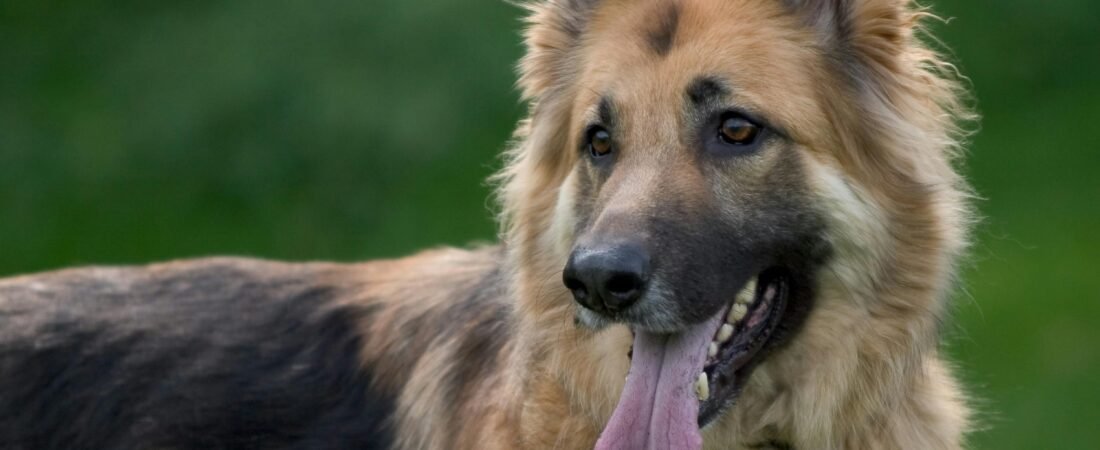
| BLOG OVERVIEW & KEY TAKEAWAYS Key Takeaway 1: German Shepherds have specific vulnerabilities, including hip dysplasia, sensitive digestion, EPI (a pancreatic enzyme disorder), and skin and coat needs, that should drive your food choice. Key Takeaway 2: The right food has a named protein as the first ingredient, includes glucosamine and chondroitin for joint support, and is highly digestible for a breed known for stomach sensitivity. Key Takeaway 3: GSD puppies need large breed-specific puppy food. Standard puppy food has too much calcium, which can accelerate bone growth and worsen the risk of developmental joint disease. |
German Shepherds Are Not Just Big Dogs
A lot of people grab a bag of large breed dog food and call it done.
For a German Shepherd, that is not enough.
GSDs have some of the most specific nutritional requirements of any popular breed. They are prone to hip and elbow dysplasia. A notable percentage develop Exocrine Pancreatic Insufficiency, a serious digestive disorder where the pancreas stops producing enough enzymes. They have sensitive stomachs in general. And that double coat needs nutritional support to stay healthy and manage shedding.
The wrong food shows up fast with this breed. Loose stools, dull coat, low energy, stiffness when getting up, or a dog that eats constantly but stays thin. These are dietary signals, not just unlucky health issues.
This guide breaks down exactly what to look for and what to avoid. For more dog food guides and health articles, head to our food section or the full Shop With Pets blog.
What Makes German Shepherds Nutritionally Unique
Hip and Elbow Dysplasia
GSDs are genetically predisposed to both hip and elbow dysplasia. This does not mean every German Shepherd will develop it, but it does mean their food should actively support joint health from day one.
Look for foods that include natural glucosamine and chondroitin, ideally sourced from whole chicken cartilage or fish. These compounds support cartilage health and joint lubrication. The earlier you start, the better.
Omega-3 fatty acids from fish oil have also been shown to reduce joint inflammation over time. This is not a marketing claim. There is real research behind it.
Sensitive Digestion
German Shepherds are notorious for sensitive stomachs. They get gas. They get inconsistent stools. They react to ingredient changes faster than most breeds.
Highly digestible proteins, like chicken, turkey, and salmon, are better tolerated than meat meals or plant-based protein fillers. Prebiotics and probiotics in the food help maintain a stable gut microbiome, which is especially valuable for this breed.
Exocrine Pancreatic Insufficiency (EPI)
EPI is more common in German Shepherds than in almost any other breed. The pancreas stops producing digestive enzymes, so food passes through largely undigested. A dog with EPI will eat voraciously, have voluminous stools, and steadily lose weight despite eating well.
EPI requires veterinary diagnosis and enzyme supplementation. If your GSD displays these symptoms, see your vet before assuming it is a food issue. Once diagnosed, your vet will guide the diet alongside enzyme therapy.
Coat and Skin Health
A German Shepherd’s double coat sheds heavily twice a year and requires ongoing nutritional support. Foods rich in omega-6 and omega-3 fatty acids help maintain skin hydration, reduce excessive shedding, and keep the coat shiny.
If your GSD has a dull, dry, or flaky coat, diet is usually the first place to look before spending money on supplements.
What to Look For on the Label
- First ingredient is a named animal protein: chicken, beef, turkey, salmon. Not “meat meal” or “poultry by-product meal” as the first ingredient.
- Protein content of at least 25% for adults. Active or working GSDs benefit from 28 to 30%.
- Fat content around 12 to 15% from quality sources like chicken fat or salmon oil.
- Glucosamine and chondroitin listed on the label, even at baseline levels.
- Omega-3 and omega-6 fatty acids, ideally from fish oil or flaxseed.
- Digestible carbohydrates: sweet potato, brown rice, or oatmeal. Not corn, wheat, or soy as primary carb sources, which many GSDs tolerate poorly.
- AAFCO statement confirming the food is complete and balanced for your dog’s life stage.
What to Avoid
- Vague protein sources like “meat meal” or “animal digest” as primary ingredients.
- Excessive fillers: corn, wheat, and soy as the main carbohydrate sources can trigger digestive upset and skin reactions in sensitive GSDs.
- Artificial preservatives like BHA, BHT, and ethoxyquin.
- Foods with no named fat source. “Animal fat” with no species identified is a quality red flag.
- Giant bag deals from discount brands. With German Shepherds, ingredient quality genuinely shows in how the dog looks and feels.
Feeding by Life Stage
German Shepherd Puppies (Under 18 Months)
This is the most important stage to get right.
Do not feed regular puppy food to a GSD puppy. Standard puppy formulas have higher calcium and phosphorus levels designed for small breeds. In a large breed puppy that is growing fast, excessive calcium can accelerate bone development in ways that worsen the genetic predisposition to hip dysplasia.
Use a food specifically labeled for large breed puppies. These formulas have controlled calcium-to-phosphorus ratios designed for safe, steady growth.
Protein around 25 to 28%. Fat around 12 to 14%. Moderate calorie density to prevent rapid weight gain, which stresses developing joints. Most breeders and vets recommend keeping GSD puppies on large breed puppy food until 18 months.
Adult German Shepherds (18 Months to 7 Years)
This is when you optimize for performance and joint protection.
Active adults doing sport, work, or high daily exercise need higher calorie density and protein around 28 to 30%. Calmer, more sedentary adults do well with standard adult large breed formulas around 25% protein.
If your adult GSD has recurring loose stools, consider a limited ingredient diet with a single protein source. This helps identify whether a specific ingredient is causing the digestive sensitivity.
Senior German Shepherds (7 Years and Older)
Senior GSDs need reduced calories to prevent weight gain as activity levels drop, but they should not go onto protein-restricted food unless their vet recommends it for a specific health reason.
Prioritize joint support. Look for foods with elevated glucosamine, chondroitin, and omega-3s. Some senior formulas also include added L-carnitine for muscle mass maintenance, which is valuable in a breed prone to muscle wasting in old age.
Wet food mixed into kibble helps with hydration and palatability for dogs who start eating less enthusiastically as they age.
Feeding Amounts: A Starting Framework
These are starting points only. Always read the feeding guidelines on your specific food bag and adjust based on your dog’s body condition, not just their weight.
- GSD puppies (3 to 6 months): 3 to 4 cups daily split across 3 meals
- GSD puppies (6 to 12 months): 3.5 to 4.5 cups daily across 2 meals
- Adult GSDs (50 to 70 lbs): 2.5 to 3.5 cups daily across 2 meals
- Adult GSDs (70 to 90 lbs): 3.5 to 4.5 cups daily across 2 meals
- Senior GSDs: reduce by 10 to 20% depending on activity level
You should be able to feel your GSD’s ribs without pressing hard but not see them from a standing position. A visible waist tuck from above is a good sign. A round, wide back without waist definition means they are getting too much food.
Frequently Asked Questions
Q: Is grain-free food good for German Shepherds?
This is debated. The FDA investigated a potential link between grain-free diets (specifically those high in peas, lentils, and legumes) and dilated cardiomyopathy in dogs. The research is ongoing and no definitive causal link has been established. However, most veterinary cardiologists currently advise caution with grain-free diets for large breeds, including German Shepherds. Unless your GSD has a confirmed grain allergy, a high-quality grain-inclusive food is generally the safer current recommendation. Talk to your vet about your specific dog.
Q: My German Shepherd has a sensitive stomach. What food helps?
Start with a single-protein, limited ingredient food to rule out ingredient sensitivities. Chicken and rice formulas work well for most GSDs with sensitive stomachs. If problems persist, ask your vet about a hydrolyzed protein diet, where proteins are broken into tiny pieces the immune system cannot react to. Adding a probiotic supplement like FortiFlora can also help stabilize digestion during transitions.
Q: How often should I feed my adult German Shepherd?
Twice daily is ideal. Splitting the daily ration into two meals reduces the risk of bloat, a life-threatening condition that German Shepherds are susceptible to due to their deep chest. Never allow your GSD to eat one large meal and then immediately exercise heavily.
Q: Is raw food good for German Shepherds?
Some German Shepherd owners report excellent results with raw diets. However, raw feeding carries risks including bacterial contamination, nutritional imbalances if not properly formulated, and parasite exposure. If you want to explore raw feeding, work with a veterinary nutritionist to create a balanced plan rather than following general internet guidelines.
Final Thought
The best dog food for your German Shepherd is the one they thrive on at their current life stage. Good coat, solid energy, firm stools, healthy weight, and comfortable movement are your metrics. Not the price tag or the marketing on the bag.
Start with the criteria above, choose a quality brand that meets them, and give the food at least 6 to 8 weeks before evaluating results. Digestive systems need time to adapt.
Browse more nutrition guides in our dog food section and reach out with questions through our Contact page.
| DISCLAIMER The content on this page is for general informational purposes only. Nothing here is veterinary medical advice. Always consult a licensed veterinarian before making any decisions about your dog’s health, diet, or medication. Shop With Pets and its owners are not liable for any damages, losses, or adverse outcomes resulting from use of or reliance on information published on this site. Every dog is different. What works for one dog may not be right for yours. If your dog is experiencing a health emergency, contact a veterinarian immediately. |
Sources and References:
- KibbleWise, Best Dog Food for German Shepherds 2026
- Dog Food Advisor, Best Dog Food for German Shepherds 2026
- Spot and Tango, Best Dog Food for German Shepherds (2026)
- American Kennel Club, Feeding Your German Shepherd
- AAFCO Nutritional Guidelines for Dogs