| BLOG OVERVIEW & KEY TAKEAWAYS Key Takeaway 1: The most important camping gear for dogs prioritizes safety and containment: a reliable leash system, a stake or cable tie-out for unstructured time at camp, and ID tags plus a microchip verified before departure. These three things prevent the most common camping-related dog emergencies. Key Takeaway 2: Your dog needs a defined sleeping system for camping regardless of the temperature. Ground sleeping on cold surfaces stresses joints, and dogs who share sleeping bags create hygiene and safety issues. A dedicated camping pad or lightweight dog sleeping bag provides insulation and defined sleeping space. Key Takeaway 3: Tick prevention is non-negotiable for any dog spending time in wooded or grassy outdoor areas. Confirm your dog is current on year-round tick prevention and perform a full body tick check after every outing. |
Camping With a Dog Is Genuinely Great. With the Right Gear.
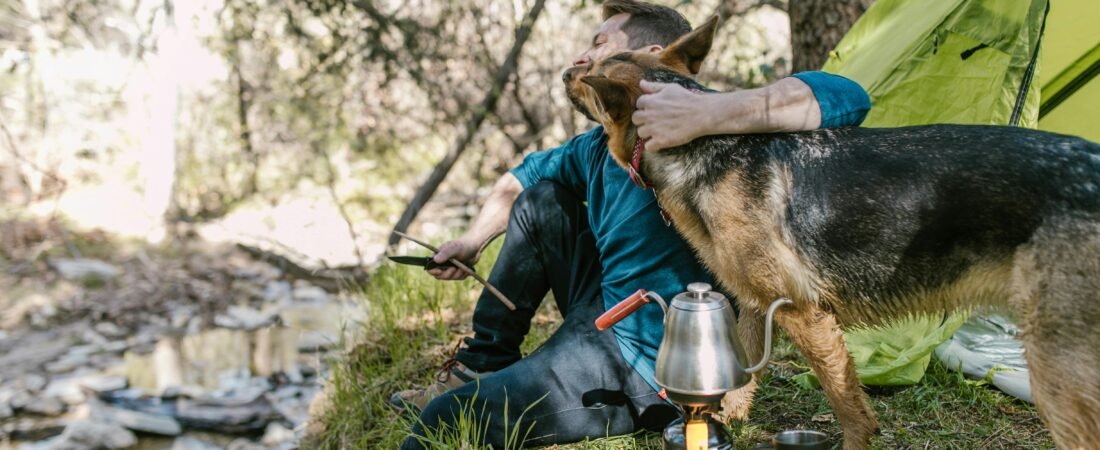
Your dog is probably the most enthusiastic outdoor companion you own. They do not complain about the weather, they are never bored, and their excitement about every trail, smell, and new environment is infectious.
The preparation that makes camping with a dog work smoothly is not complicated. It is mostly about having the right gear and verifying the right logistics before you leave.
More dog gear guides on the Shop With Pets blog.
The Essential Category: Safety and ID
- Current ID tags with your cell phone number and ideally the campground or region where you will be. A generic home address is less useful if you are two states away.
- Verify your microchip registration is current and linked to a working phone number before departing
- A reliable, well-fitting harness with secure attachment points rather than just a collar for trail hiking
- A 6-foot leash for trailwork and a 20 to 30 foot long line for controlled sniff exploration at camp
Containment at Camp
Cable Tie-Out or Spiral Stake
A cable tie-out system (a heavy-duty cable anchored by a spiral stake driven into the ground) gives your dog more freedom of movement at camp than holding a leash while you cook or set up. Essential for campgrounds where your dog cannot be off-leash.
Choose a cable appropriate for your dog’s size and strength. A 20-foot medium-weight cable is suitable for most dogs. Check the anchor security before clipping your dog.
Portable Playpen or X-Pen
For puppies or dogs with high escape risk, a collapsible exercise pen provides secure containment at camp without the tether and cable system.
Sleeping Comfort
- Insulated dog sleeping pad or self-inflating camp pad: Ground cold transfers to a sleeping dog quickly. Even in summer, ground temperatures at night can cause joint stiffness in dogs who sleep on bare earth.
- Lightweight dog sleeping bag: For cold weather camping, purpose-designed dog sleeping bags provide insulation without bulk.
- Familiar item from home: A piece of your clothing or a familiar toy in the sleeping area reduces anxiety in an unfamiliar environment.
Food, Water, and Health Supplies
- Pre-portioned food in sealed containers. Store food in a bear canister or vehicle if camping in bear country.
- Collapsible water bowl and fresh water. Do not let dogs drink from standing water sources, which can contain giardia and other parasites.
- First aid kit including: antiseptic wipes, gauze and bandaging material, tweezers for tick removal, styptic powder, digital thermometer, and your vet’s emergency contact
- Poop bags (ideally biodegradable). Leave no trace applies to dog waste.
Paw Protection
Rocky trails, hot exposed rock surfaces, and rough terrain can cause pad abrasion or cuts. Paw wax applied before extended hikes provides a protective barrier. For longer backpacking trips on rough surfaces, dog boots for the hiking portion protect pads more completely.
What to Verify Before Departure
- Check campground pet policies. Many require dogs to be leashed at all times and on specific sites.
- Verify flea, tick, and heartworm prevention is current
- Check for local wildlife alerts: rattlesnakes, porcupines, skunks, coyotes
- Locate the nearest emergency veterinary clinic to your camping area before you need it
Q&A
Q: My dog gets anxious in unfamiliar places. Can they handle camping?
Some dogs adapt immediately. Others need gradual exposure. A good first test is a single overnight in a familiar backyard or a campground close to home before committing to a remote multi-day trip. Bring familiar items, maintain your dog’s usual schedule as much as possible, and allow them to explore at their own pace.
Q: Can my dog drink from streams and lakes?
It is generally best not to allow it. Natural water sources can contain giardia, leptospirosis, algae toxins, and other contaminants. Bring sufficient fresh water for your dog’s needs or use a portable filtration system rated for giardia and bacteria removal.
| DISCLAIMER This article is for general informational and educational purposes only. It does not constitute veterinary medical advice. Always consult a licensed veterinarian before changing your dog’s diet, supplements, or care routine. Shop With Pets is not liable for any outcomes from reliance on this content. Every dog is different. In a pet health emergency, contact your vet immediately. |
Sources and References:
- American Kennel Club, Camping with Dogs. akc.org
- Companion Animal Parasite Council, Parasite Prevention for Outdoor Dogs. capcvet.org
- Leave No Trace Center for Outdoor Ethics, Pets in the Outdoors. lnt.org