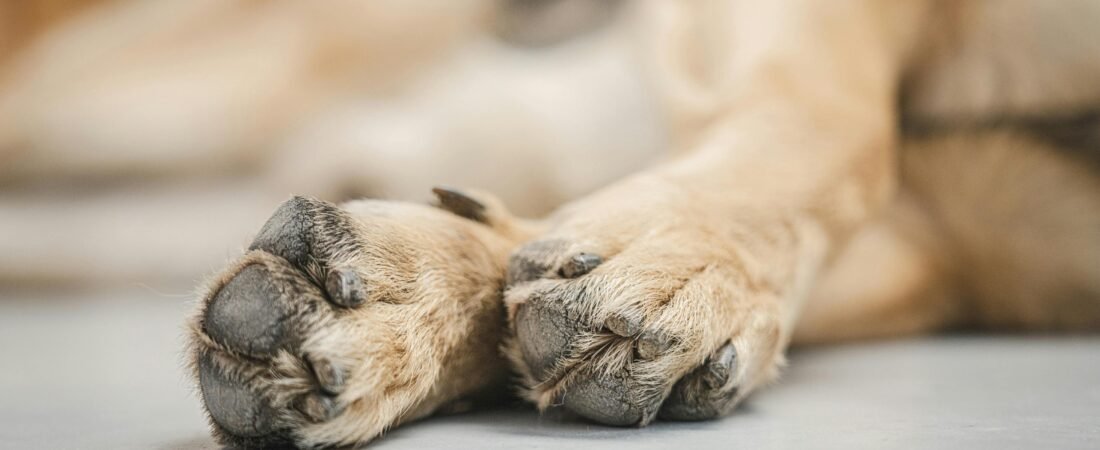
| BLOG OVERVIEW & KEY TAKEAWAYS Key Takeaway 1: The corn chip smell from your dog’s paws is caused by naturally occurring bacteria, primarily Proteus mirabilis and Pseudomonas aeruginosa, that live harmlessly in the micro-environment of your dog’s paw pads and interdigital spaces. These bacteria produce byproduct compounds that happen to smell exactly like corn chips to the human nose. Key Takeaway 2: A mild corn chip smell from the paws of a healthy dog is completely normal and requires no treatment. The bacteria responsible are part of the normal skin microbiome and perform protective functions. The smell is strongest after the paws have been warm and slightly moist, which concentrates the bacterial volatile organic compounds. Key Takeaway 3: The smell becomes a concern when it intensifies significantly, when it is accompanied by redness, swelling, licking, or discharge between the toes, or when the smell comes from the ears rather than the paws. These presentations can indicate yeast or bacterial overgrowth that warrants veterinary attention. |
You Are Not Imagining It. And You Are Not Alone.
Dog owners discover this at different moments. Some notice it when their dog puts a paw on their lap on a warm day. Some notice it curled up with a sleepy dog after a walk. Some have been confidently sniffing their dog’s paws for years and telling people, who look at them with concern.
The corn chip smell is real. It is universal across dog breeds and sizes. It has a completely scientific explanation that turns out to be genuinely interesting.
And once you know what is actually causing it, you will understand when it is a completely normal thing to accept and even appreciate, and when it is a signal that something needs attention.
More dog guides on the Shop With Pets blog. Questions? Contact us.
The Bacteria Behind the Smell
Your dog’s paws are home to a rich microbiome: a community of bacteria, fungi, and other microorganisms that live on the skin surface and in the interdigital spaces between the toes.
Two bacterial species are most consistently associated with the corn chip odor:
Proteus mirabilis
Proteus mirabilis is a gram-negative bacterium that exists naturally in the environment and as a normal skin commensal in dogs. It is a highly motile bacterium that uses flagella to move across surfaces and produces a distinctive metabolic byproduct during its normal cellular processes.
The smell Proteus mirabilis produces has been described variously as corn chips, popcorn, or a slightly musty grain smell. It is produced as the bacteria metabolize organic compounds in the skin environment and release volatile organic compounds (VOCs) as metabolic byproducts.
In a healthy dog with a normal skin microbiome, Proteus mirabilis is kept in balance by the immune system, competing microorganisms, and the skin barrier. It is not causing infection. It is simply living in its natural habitat and producing metabolic waste that happens to smell like snack food.
Pseudomonas aeruginosa
Pseudomonas aeruginosa is another gram-negative bacterium with widespread environmental distribution. It also contributes to the characteristic paw odor through its own VOC production during normal metabolic activity.
Pseudomonas is particularly associated with moist environments. The interdigital spaces of a dog’s paw, especially after a walk in wet grass or after the dog licks their paws, create exactly the warm, moist microenvironment where Pseudomonas flourishes and produces its characteristic compounds.
Why the Paws Specifically?
You may wonder why this smell is strongest at the paws rather than across the entire dog.
The answer lies in the specific microenvironment of the paw. Paw pads and interdigital skin share several characteristics that make them an ideal habitat for these bacteria:
- Consistent moisture: Paws contact damp ground, grass, and puddles regularly. Even in dry conditions, dogs who lick their paws introduce saliva moisture into the interdigital spaces.
- Warmth: Paw pads are in constant contact with warm surfaces and maintain an elevated temperature relative to the ambient environment, creating a warm microhabitat.
- Reduced airflow: The interdigital spaces between toe pads have very limited air circulation compared to the rest of the coat. This allows bacterial populations to concentrate and their VOC emissions to accumulate.
- Organic substrate: Debris, dead skin cells, and environmental organic matter trapped in paw spaces provide additional metabolic substrate for bacteria.
| Why Corn Chips Specifically? The human brain evolved to recognize odor families, not individual molecules. The specific VOC profile produced by Proteus and Pseudomonas metabolic activity overlaps substantially with the VOC profile of corn chip snack foods, which get their characteristic smell from the Maillard reaction during baking. Your nose recognizes the overlapping molecular family and files it as corn chips. The bacteria and the snack food are producing similar chemical families through completely unrelated processes. |
When the Smell Is Completely Normal
A mild, intermittent corn chip smell from your dog’s paws, especially noticeable after walks, warm weather, or when the dog has been resting with paws tucked under them, is completely normal. No intervention is needed.
This is your dog’s natural skin microbiome doing exactly what it is supposed to do. The bacteria are healthy colonizers of normal canine skin, and their presence is actually part of the skin’s defense system: by occupying the skin surface and producing their own antimicrobial compounds, commensal bacteria help exclude potentially pathogenic organisms from establishing.
Many owners who discover the cause of the Fritos smell find themselves appreciating it differently. It is the smell of a healthy skin microbiome doing its job.
When the Smell Is a Concern
The same bacterial species that produce pleasant corn chip aromas in low concentrations can produce genuinely unpleasant strong odors when their populations grow beyond normal levels. Overgrowth of Pseudomonas or Proteus on the skin is associated with skin infections.
The smell shifts from charming corn chip to something more pungent, sour, or frankly foul when bacterial or yeast populations have overgrown beyond normal commensal levels.
Signs That the Smell Has Moved From Normal to Problematic
- Intense, unpleasant odor that is present constantly rather than mildly after walks
- Redness, swelling, or inflammation between the toes or around the nail beds
- Your dog licking their paws constantly rather than occasionally
- Brown or rust-colored staining of the fur between toes from chronic licking
- Discharge or crustiness in the interdigital spaces
- Your dog showing pain or reluctance when paws are touched
The Ear Connection
The same bacteria, and particularly Malassezia yeast, can also cause a corn chip or musty smell from the ears. Ear-based corn chip smell is not normal in the way paw-based corn chip smell is.
If the smell is coming primarily from your dog’s ears rather than their paws, and particularly if accompanied by any of the signs above, an ear infection should be evaluated by your veterinarian. Ear infections from these organisms do not resolve without appropriate treatment.
How to Manage Normal Paw Odor
If the smell is completely normal but you prefer to minimize it:
- Wipe paws after walks with a damp cloth or pet-safe wipe. This reduces the moisture and organic debris that fuel bacterial activity.
- Dry paws thoroughly after rain, wet grass, or bathing. Moisture is the primary driver of bacterial concentration in paw spaces.
- Regular paw inspection keeps you aware of your baseline normal so you notice if something changes.
- Trim fur between the toes. Excess fur between toe pads traps more moisture and debris, increasing the microenvironment’s bacterial productivity.
The Chemistry in Plain Terms
If you want the molecular story: the volatile organic compounds produced by Proteus and Pseudomonas during their metabolic processes include compounds in the carboxylic acid and aldehyde families. Specifically, compounds including phenylacetic acid, butyric acid, and various aldehydes produced during amino acid catabolism create the characteristic olfactory profile.
Corn chips get their smell from the Maillard reaction, which also produces compounds in overlapping chemical families including pyrazines, furans, and aldehydes. Your brain matches the general chemical families and categorizes both smells under the same olfactory file.
You are not crazy. You are accurately detecting a real chemical overlap between bacterial metabolic waste and processed corn snacks.
Q&A
Q: My dog’s paws smelled like corn chips until recently and now they smell different and stronger. Should I be concerned?
A change in the character or intensity of paw odor is worth paying attention to. Increased intensity, a shift from pleasant corn chip to sour or foul, or the addition of other signs like licking, redness, or swelling all suggest the microbiome balance may have shifted. A paw examination and potentially a veterinary assessment is appropriate if the change persists for more than a week.
Q: Can I use human antifungal products on my dog’s paws if I think it is a yeast issue?
Not without veterinary guidance. Some human antifungal products contain ingredients that are harmful when licked. Never apply human products to paw spaces without confirming with your vet that the specific product is safe for canine use and licking exposure.
Q: My dog’s whole body smells like this, not just the paws. Normal?
The whole-body corn chip smell is less typical than the paw-specific version. Whole-body yeast odor in dogs often has a more pronounced musty or sour character. If the smell is strong throughout the coat rather than specifically from the paws, a conversation with your vet to rule out skin-level yeast overgrowth is worthwhile.
Q: Is this smell hereditary? My last dog had it and my new puppy has it too.
The skin microbiome composition has some hereditary component in dogs, just as it does in humans. Certain skin characteristics, sebum composition, and immune environment that influence which bacteria thrive on the skin do have genetic contributions. Your instinct is not wrong.
Final Thought
The corn chip smell that has confused and delighted dog owners for years is the smell of a healthy canine skin microbiome doing exactly what it evolved to do.
Your dog’s paws are a tiny thriving ecosystem. The bacteria living there are protecting your dog’s skin from more problematic colonizers while quietly producing the smell of afternoon snacks.
It is one of the more charming biological facts about the animal you share your life with.
Browse more on the Shop With Pets blog.
| DISCLAIMER This article is for general informational and educational purposes only. It does not constitute veterinary or behavioral medical advice. Always consult a licensed veterinarian for concerns about your dog’s health or behavior. Shop With Pets and its authors are not liable for any outcomes from reliance on this content. Every dog is different. In a pet health emergency, contact your veterinarian immediately. |
Sources and References:
- Gortel K. Canine Cutaneous Microbiome and Skin Health. Veterinary Clinics of North America. 2013.
- Meason-Smith C et al. What is living in your dog’s fur? Characterization of the canine cutaneous microbiota and Staphylococcus pseudintermedius. FEMS Microbiology Ecology. 2015.
- Cuscó A et al. Individual signatures and environmental factors shape skin microbiota in healthy dogs. Microbiome. 2017.
- Merck Veterinary Manual, Bacterial Skin Diseases in Dogs. 2025.